How to Become a Better Manager (Even If You Don’t Think You’re “A Manager”)
If the word “management” makes you feel heavy, overwhelmed, or totally uninterested… welcome to entrepreneurship. Most women start businesses because they’re visionaries, creators, and problem-solvers—not because they’re dying to manage people.
But if there’s one truth every entrepreneur eventually learns, it’s this: as soon as you bring even one person into your business, you’ve stepped into leadership—whether you meant to or not.
That doesn’t mean you need to suddenly become a corporate manager. It just means learning how to support humans—which is actually a lot more intuitive than you think.
People Are Not Tasks
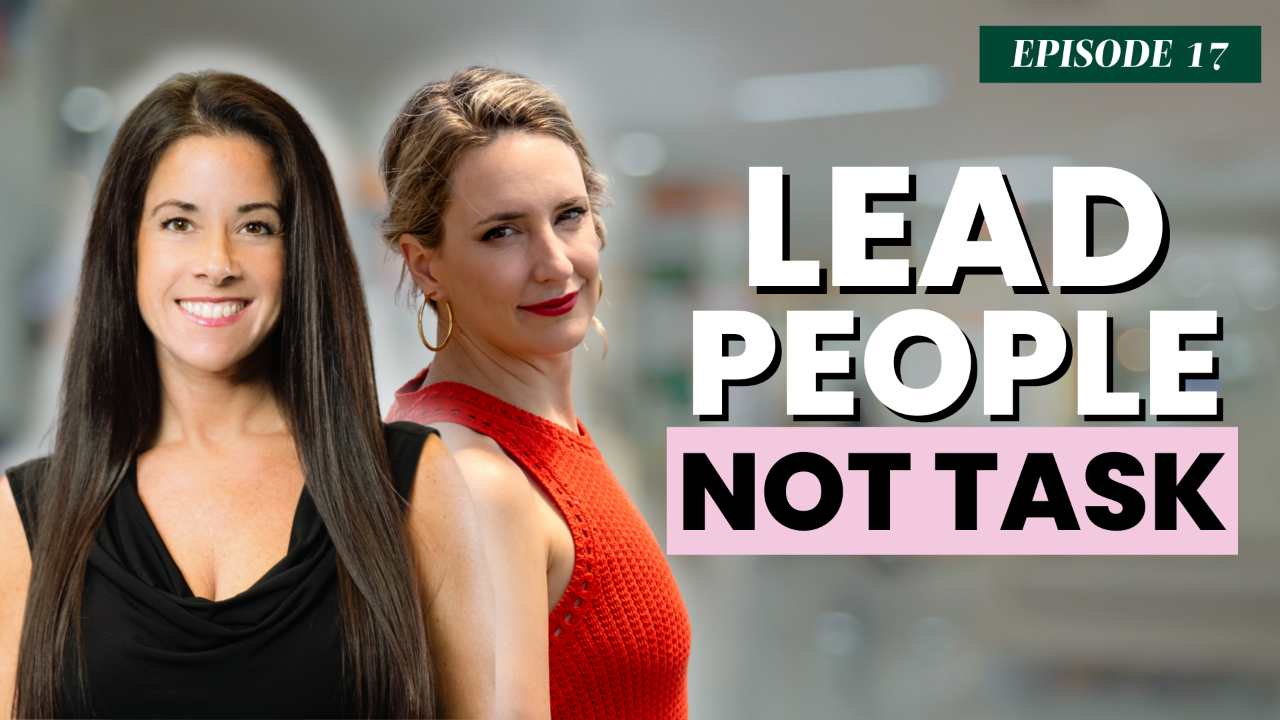
One thing we love that Laurie teaches is this: managing tasks is very different than managing humans. Tasks need structure, but people need support.
And the moment you stop treating those two things like they’re the same, something unlocks. Instead of pushing productivity, you start leading in a way that actually brings out people’s strengths. That shift alone creates a more empowered and energized team—without adding more meetings, pressure, or micromanagement.
Get Curious Before You Correct
Traditional management defaults to control: “Why aren’t you hitting expectations?”
But effective leadership starts with genuine curiosity: “What’s making this feel harder right now?”
Most people don’t need confrontation—they need clarity and a pathway back into alignment. When someone feels understood, they’re much more willing to rise, adjust, and stay engaged.
And more importantly, they stay connected to the mission rather than shrinking under pressure.
Why Personality Tools Actually Matter
Inside Beyara, we’re huge believers in understanding how people operate—not just what they can do. Tools like DISC or Understand Myself help us see how someone communicates, receives feedback, and feels successful.
Not because we’re trying to categorize people, but because leading someone well starts with understanding what motivates them. When people feel seen, they contribute at a level that feels purposeful—not just productive.
Motivation Is Personal
We tend to assume people are motivated by the same things that motivate us. But everyone’s drivers are different—some value recognition, others love ownership, and some simply care most about having clarity and autonomy.
When you understand what matters to someone individually, you stop guessing how to lead them—which instantly removes so much friction and frustration on both sides.
Leadership Is a Skill, Not a Personality
You don’t have to be naturally patient or naturally empathetic to grow into a powerful leader. You just have to be intentional. Like every other skill inside your business, leadership is something you practice—not something you either “have” or don’t.
And actually, the moment you give yourself permission to learn leadership instead of forcing yourself to already be good at it, you’ll feel more grounded, more confident, and more capable of guiding a team with steadiness instead of stress.
That shift is everything.
Strong leadership is really about paying attention to the human in front of you—not just the role they fill. And as you lean deeper into this part of your business, ask yourself: where could curiosity serve me better than correction right now? Where could understanding create more momentum than pressure?
If you want even more clarity on how leadership fits into the season you’re in, take our Business Sustainability Quiz. It’s two minutes and gives you a personal score, what’s working, and what next step will give you the most ease and support inside your business.
👉 Take the 2-Minute Business Sustainability Quiz
Because leadership isn’t about doing more—it’s about supporting humans well, including yourself.
Hey!